London property letting guide
Introduction
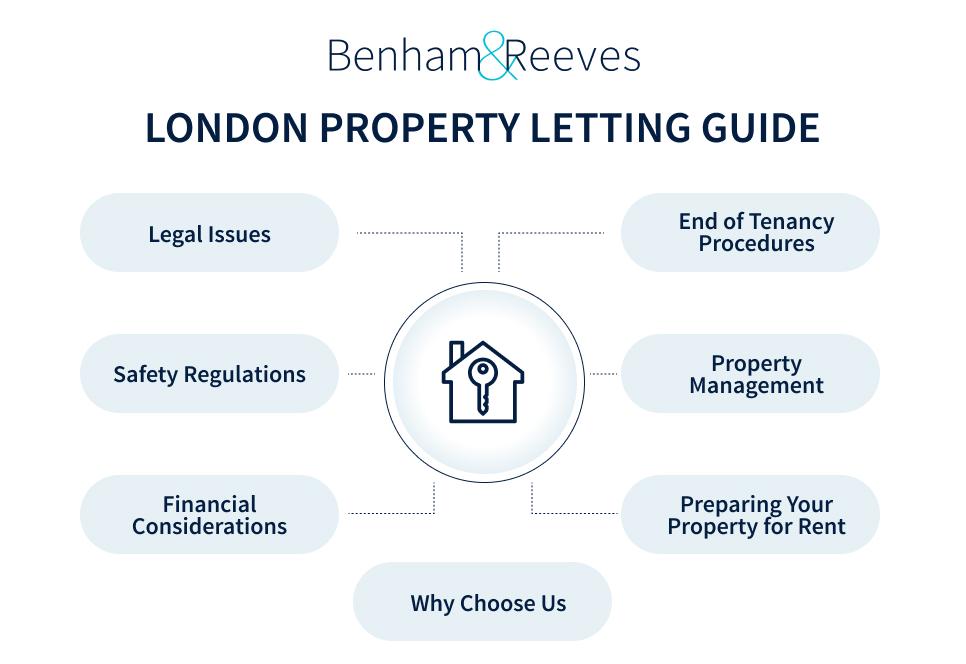
Renting out property in London can be a rewarding venture, but it also presents its own unique difficulties and considerations. Understanding the crucial legal, financial, and practical aspects of renting out your property is essential for success, whether you're a new landlord or have been doing it for a long time. This in-depth guide will lead you through all the essential information, from legal obligations to maintenance management, to prepare you for every step of the rental process.
1. Legal issues every landlord must address
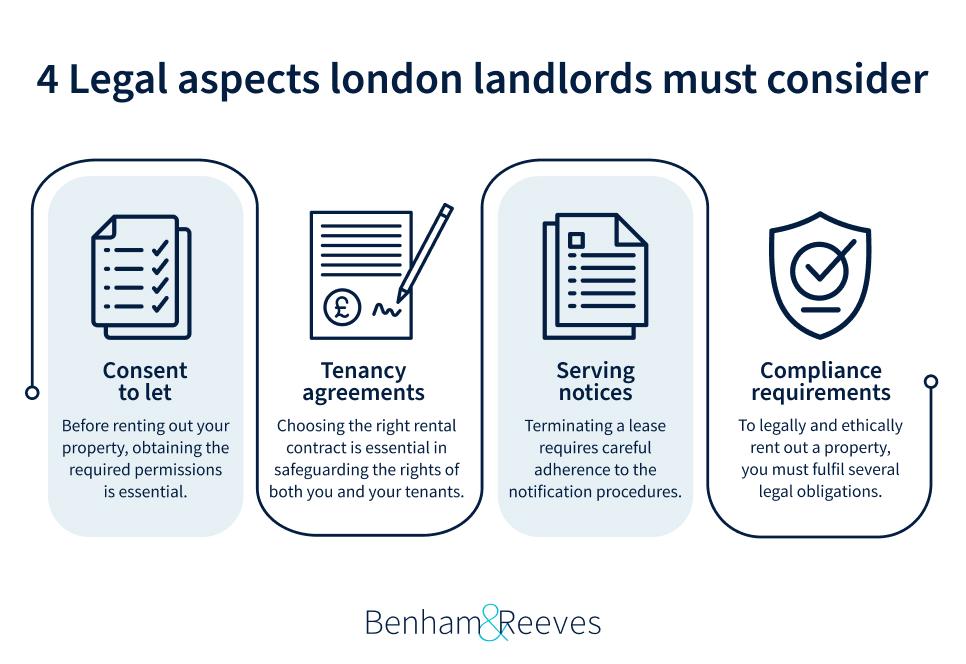
Understanding the legal requirements of renting out property in London is important to prevent conflicts and potential fines. Here's a detailed look at key legal aspects landlords must consider-
Consent to let
Before renting out your property, obtaining the required permissions is essential-
Mortgage lender approval - Approval from the mortgage lender is required. If the property has a mortgage, you must obtain official consent from the lender. Renting out your property without approval may violate your mortgage terms and could result in financial penalties, such as extra interest or additional payments.
Freeholder permission - Freeholders have the authority to set particular terms or limitations on renting out leasehold properties. Make sure to review the terms of your lease and obtain written approval to prevent any potential conflicts.
Insurance notification - Regular home insurance does not cover rental properties. Inform your insurance provider of your intention to rent out the property, and switch to a landlord insurance plan that includes protection for liability, lost rental earnings, and property damage.
Types of tenancy agreements
Choosing the right rental contract is essential in safeguarding the rights of both you and your tenants.
Assured Shorthold Tenancy (AST) - AST is the go-to agreement for the majority of residential rentals in England, outlining details such as rent, duration and tenant obligations. ASTs also grant landlords the right to regain possession under specific conditions.
Non-housing act tenancies - These conditions are applicable in cases where Assured Shorthold Tenancies are not suitable, such as renting to a company, properties with high rent (over £100,000 per year), or if the tenant is not using the property as their primary residence.
Short-term letting contracts - Ideal for stays of less than six months, but usually provide fewer legal protections. However, they're a suitable option for temporary lettings or holiday stays, subject to legal regulations.
Serving notices
Terminating a lease requires careful adherence to the notification procedures-
Section 21 Notice - This notice allows landlords to take back possession of the property after a fixed-term tenancy or during a periodic tenancy, without needing to prove fault on the part of the tenant. But to end a rental agreement, you need to give the tenant a properly written and valid notice. This notice can take the form of either a "Section 21 notice" or a "Notice to Quit," depending on the type of tenancy.
Avoiding errors - Serving notices incorrectly can cause legal delays and hinder your ability to regain possession. It is recommended to seek advice from a lawyer to make sure that you are following the rules.
Compliance requirements
To legally and ethically rent out a property, you must fulfil several legal obligations-
Energy Performance Certificate (EPC) - This document, which remains valid for a decade, showcases your property's energy efficiency. In order to meet the Minimum Energy Efficiency Standards (MEES), properties must attain a minimum rating of "E" in terms of energy efficiency.
Selective Licensing - Some areas of London, such as Newham and Tower Hamlets, have a requirement for landlords to obtain a selective license for their private rental properties. Not having one can lead to fines of up to £30,000 or legal consequences.
Right to rent checks - Landlords are required by law to verify that tenants are eligible to rent in the UK by conducting Right to rent checks. Verifying official government-issued documents such as passports, visas, or Biometric Residence Permits is necessary for this. Ensure that you keep evidence of these checks for future reference.
2. Safety regulations
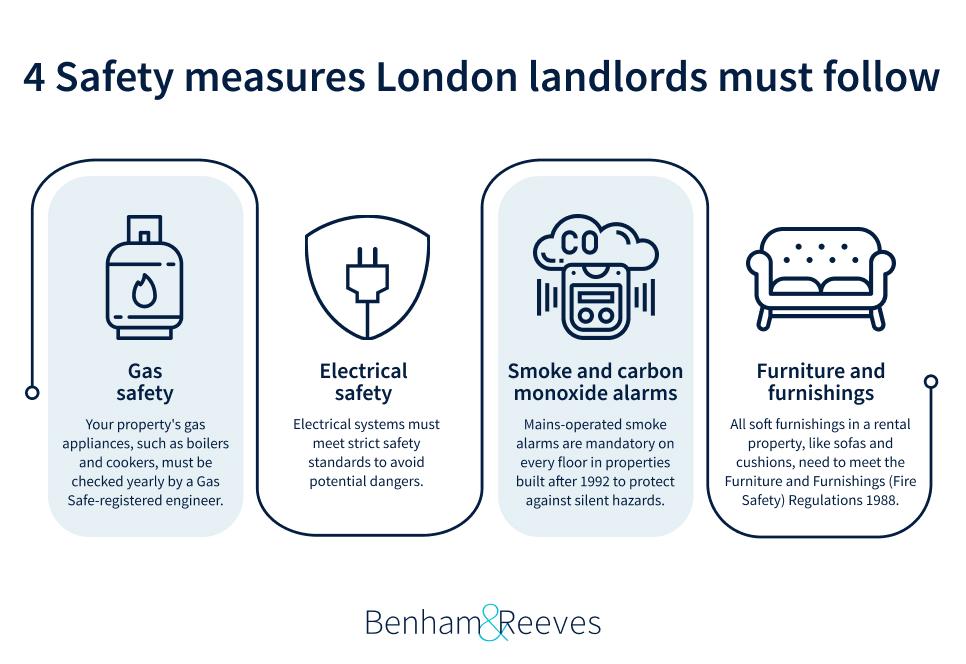
As a landlord, it is not only your ethical responsibility but also a legal obligation, to ensure the health and safety of your tenants. Failing to follow safety regulations can result in severe penalties, huge fines, or imprisonment. Here's a detailed guide to the key safety measures landlords must follow-
Gas safety - Your property's gas appliances, such as boilers and cookers, must be checked yearly by a Gas Safe-registered engineer. This check ensures that all appliances are working efficiently and safely. You are required to provide your tenants with a Gas Safety Certificate (CP12) after the inspection and then renew it annually before they move in. Failure to meet this requirement may endanger your tenants' safety and result in legal repercussions.
Electrical safety - Electrical systems must meet strict safety standards to avoid potential dangers. For compliance
Every five years, or at the beginning of a new tenancy, schedule an Electrical Installation Condition Report (EICR). This report assesses the state of the electrical wiring and identifies any current or potential hazards.
Regularly testing rental appliances, such as kettles, toasters, or washing machines, is highly recommended to ensure their safety. This is referred to as Portable Appliance Testing (PAT). While not mandatory, doing PAT testing demonstrates your commitment to keeping tenants safe.
Smoke and carbon monoxide alarms - Mains-operated smoke alarms are mandatory on every floor in properties built after 1992 to protect against silent hazards. Landlords need to install battery-operated or mains-connected smoke alarms in older properties to lower the risk of fires. Also,
Make sure to put carbon monoxide detectors in rooms with solid fuel appliances (like wood burners or open fires). Even if not always mandated by law, having them adds extra safety.
Furniture and furnishings regulations - All soft furnishings in a rental property, like sofas and cushions, need to meet the Furniture and Furnishings (Fire Safety) Regulations 1988. These rules make sure the materials used can resist fire and meet safety standards.
Look for furniture with a permanent label that reads “Complies with Furniture and Furnishings Regulations.”
Note that antique furniture manufactured before 1950 is exempt, as it predates the introduction of foam materials prone to ignition.
3. Financial considerations

Renting out your property is an exciting investment, but it's important to understand the financial side to ensure smooth operations and maximise profits. Here are the key financial factors you should consider-
Rent collection - Landlords must collect rent efficiently. To make this process more efficient, we can collect rent for you. Usually, rental payments will be deposited into your chosen bank account within three business days, allowing you to access your income quickly. You can also access online accounts to track payments, view rental statements, and manage your finances.
Deposits - Landlords must maintain a deposit equal to five weeks' rent and submit it to a government-supported tenancy deposit scheme. This helps to protect both the tenant and the landlord by making sure that any disputes over damages or unpaid rent are dealt with fairly. Corporate tenants have the option to use a letter of guarantee instead of the typical deposit as an alternative form of financial protection.
Tax - As a landlord, you are required to report your rental income to HM Revenue & Customs (HMRC) using a Self-Assessment Tax Return because it is taxable. Certain expenses, such as mortgage interest, property management fees, repairs, and maintenance costs, can be deductible allowances to lower your taxable income. It's important to consult a property tax accountant to make sure you're getting the correct advice in accordance to the latest tax laws.
Overseas landlords - Overseas landlords must be aware that they still have to pay taxes on rental income from the UK. Tax is deducted from rental income under the Non-Residents Landlord Scheme unless approved by HMRC for payments without deductions. This ensures that you fulfil your tax responsibilities even if you are not in the UK.
Fees - Fees for managing a rental property may include charges for finding tenants, renewing contracts, and managing tenancies. Be sure to carefully read the Terms and Conditions of any property management service you select to understand all fees. A clear understanding of these charges will help you budget effectively for your property management services and avoid any surprises.
4. Preparing your property on rent
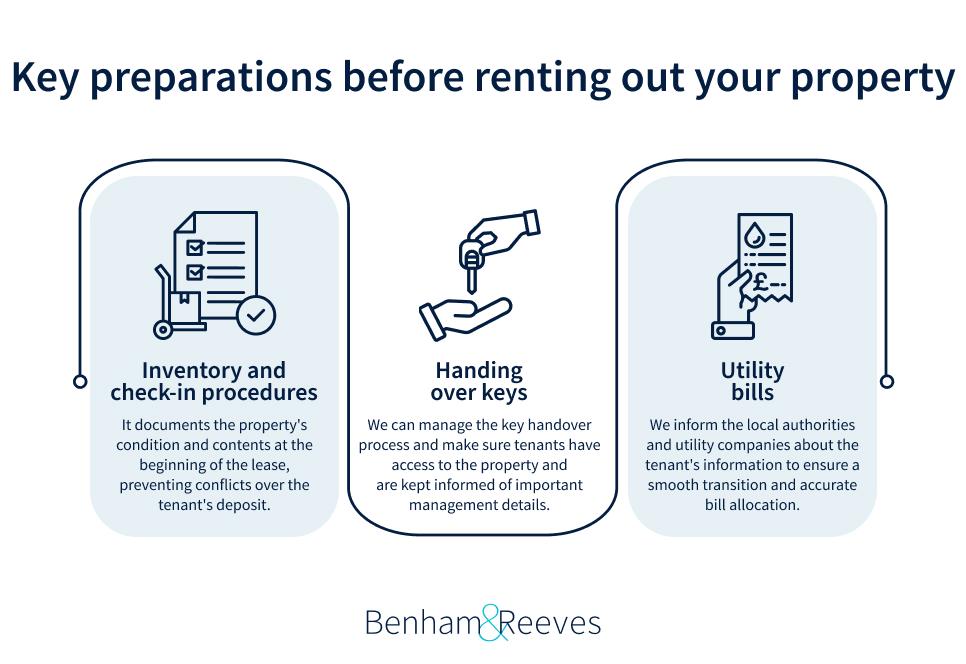
After dealing with legal, financial, and safety concerns, it is time to get your property ready for tenants. Here's what you should do-
Inventory and check-in procedures - A thorough inventory check is necessary. It documents the property's condition and contents at the beginning of the lease, preventing conflicts over the tenant's deposit. A detailed inventory helps both you and the tenant understand the property's condition before moving in.
Handing over keys - We can manage the key handover process and make sure tenants have access to the property and are kept informed of important management details. This involves giving contact info in case they need help during their stay.
Utility bills - Usually tenants are in charge of paying for utilities like gas, electric, water, and council tax. We inform the local authorities and utility companies about the tenant's information to ensure a smooth transition and accurate bill allocation.
5. Property management
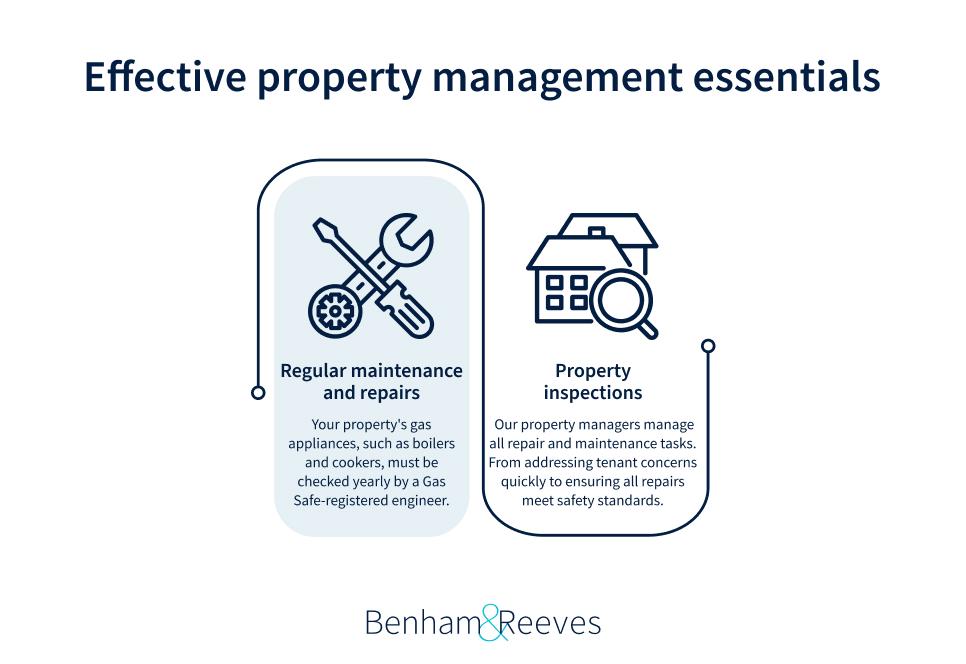
A well-maintained property in good condition keeps tenants satisfied and protects its value in the long run-
Regular maintenance and repairs - Our property managers manage all repair and maintenance tasks.” We take care of everything, from addressing tenant concerns quickly to ensuring all repairs meet safety standards. Our reliable contractors are on call 24/7 to handle any issue, from a leaky faucet to urgent heating system repairs. This proactive approach not only keeps tenants happy but also prevents small issues from becoming expensive problems.
Property inspections - Regular inspections are important for monitoring the condition of your property. It is best to have two inspections a year to look for damage, make sure tenants are following the lease, and fix any maintenance issues quickly. Detailed inspection reports help keep you informed about your investment, promoting trust and transparency among you, tenants, and property managers.
6. End of tenancy procedures
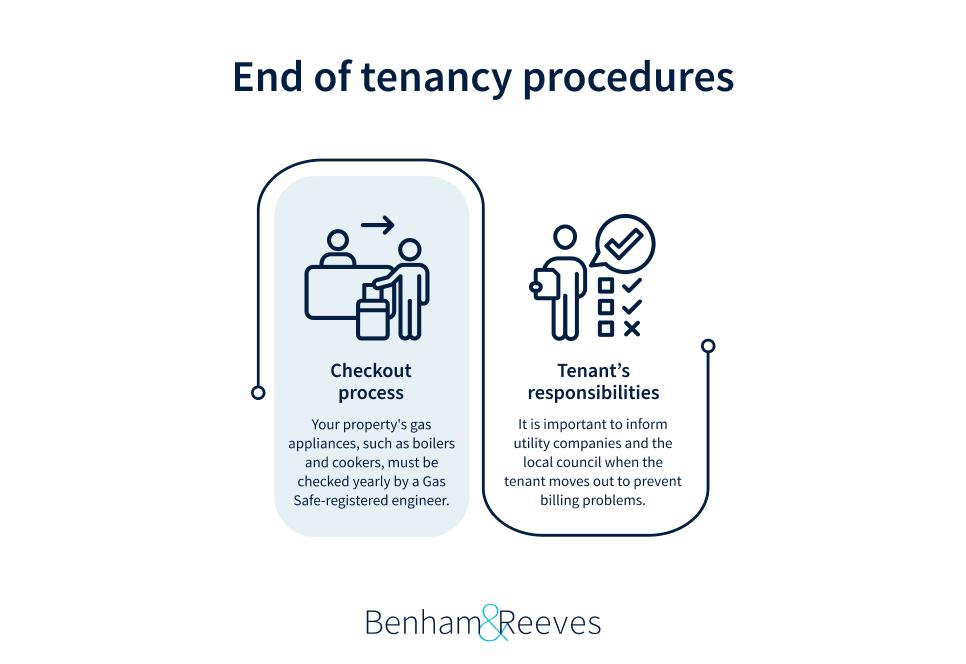
Properly managing the end of a lease is crucial to protecting the interests of both landlord and tenant. Here’s what to expect-
Checkout process - We ensure the checkout process is handled professionally and transparently. This involves a thorough inspection to evaluate the condition of the property compared to the initial inventory. A detailed report is made, outlining any needed repairs or cleaning. We negotiate deposit deductions with the tenant for damages beyond normal wear and tear. We make sure the deposit is released on time after meeting all agreements and legal requirements.
Tenant’s responsibilities - It is important to inform utility companies and the local council when the tenant moves out to prevent billing problems. Tenants should pay any remaining bills and return the property in good condition, as stated in their lease agreement.
Why choose our property management services?
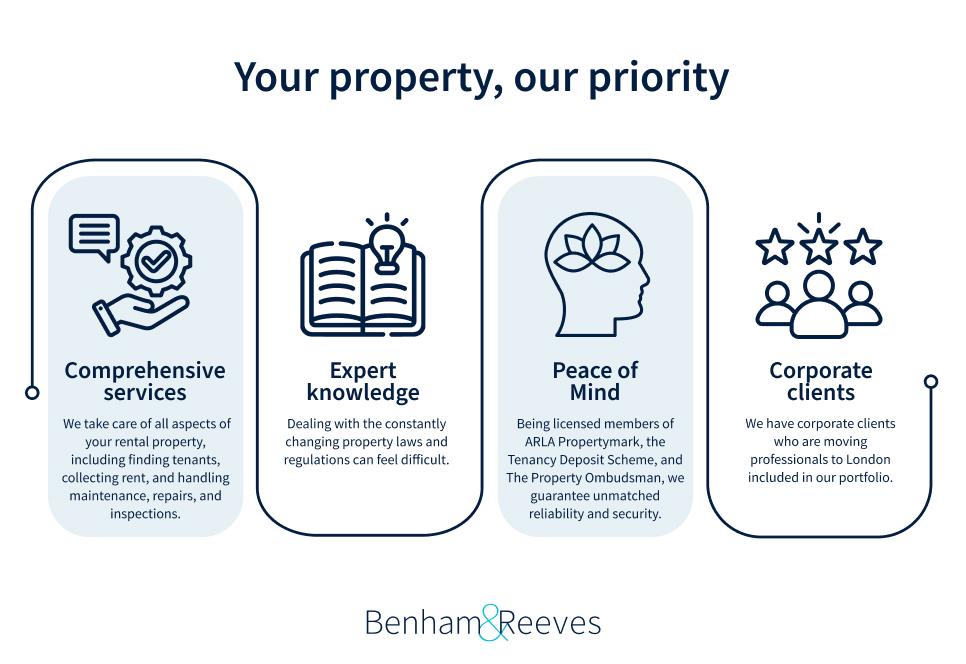
Being an overseas landlord can has its own challenges. Our professional property management service will take over to ensure a smooth process. Here's the reason many landlords trust us-
Comprehensive services - We take care of all aspects of your rental property, including finding tenants, collecting rent, and handling maintenance, repairs, and inspections. We handle everything from late-night plumbing problems to smooth tenancy renewals, so you don't have to worry about it.
Expert knowledge - Dealing with the constantly changing property laws and regulations can feel difficult. We keep up with legal updates, so your property and investment are always in line with regulations and well-protected.
Peace of Mind - Being licensed members of ARLA Propertymark, the Tenancy Deposit Scheme, and The Property Ombudsman, we guarantee unmatched reliability and security. Your money and interests are always protected.
Corporate clients - We have corporate clients who are moving professionals to London included in our portfolio. These renters are seeking high-quality properties with skilled management, providing landlords with the chance for stable, lasting rental agreements.
To get more insights and knowledge as a landlord of the UK property, contact us today!
Our well-trained sales negotiators are on-hand across Singapore to help you
 London property valuation