

 United Kingdom
  China
China Hong Kong SAR
 India
India Indonesia
 Japan
Japan Malaysia
 Middle East
 Taiwan
 Thailand
 Turkey
Top 10 snagging issues to watch for in new London developments
- Advice clinic
- 12.06.26
- Benham and Reeves
You make a significant capital outlay for a new London home. You wait, sometimes for years, through construction delays and revised completion dates. Then handover day finally arrives and within the first hour, you’re looking at a door that won’t shut flush, a bathroom tile with a hairline crack running through the grout and paintwork that was clearly done by someone paid by the square metre, not by the finish.
This is snagging. Not a niche concern. Not something that only affects budget developments in Zone 5. It happens across the market and in London more than most cities, because the pressure to complete and sell is enormous.
For readers unfamiliar with the term: snagging is the process of identifying defects, cosmetic and functional, in a newly built property, ideally before or immediately after you take ownership. The list of what qualifies is long. A misaligned window handle qualifies. So does a boiler that hasn’t been properly commissioned. So does a bathroom extractor fan that vents into the ceiling cavity instead of outside. These aren’t hypotheticals. They’re the kind of things that turn up in snagging surveys across London every single week.
If you’re buying from Singapore or anywhere outside the UK, the stakes are compounded. You won’t be there to catch any of it yourself.
Understanding your rights: the two-year builder warranty

There are two layers of protection that come with a new build in the UK and most buyers conflate them, which is an expensive mistake.
The first is the 10-year structural warranty. If you’re buying from a developer registered with the NHBC, this comes in the form of their Buildmark policy, which covers major structural defects for a decade from completion. It matters, but it’s a safety net for serious failures, subsidence, structural movement, that sort of thing. It was never designed to cover the quality gap between what the marketing suite showed you and what the site team actually delivered.
The second layer is the 2-year builder liability period; this is where important snagging issues should be raised promptly.
For the first two years after completion, your developer is contractually on the hook for defects caused by poor workmanship or substandard materials. That covers the vast majority of issues a snagging survey would find. The catch and it’s a significant one, is that this window is finite and it starts immediately. Once it closes, cosmetic and non-structural defects fall entirely outside NHBC Buildmark cover. There’s no extension, no grace period.
These two instruments are separate. The 10-year warranty does not pick up where the 2-year period leaves off, at least not for the finishing problems that affect day-to-day habitability. A leaking window seal that goes unreported might cause damp, which might eventually become structural at which point you’d have a warranty claim. But a snagging report in month two would have flagged the seal while the developer still had a legal obligation to replace it.
Get the survey done. Get it done early. Log everything in writing.
The top 10 snagging issues for investors

These aren’t listed by how often they appear in surveys; they’re ordered by how much they tend to cost landlords, whether that’s in delayed lettings, suppressed rental yield or difficult conversations at the point of resale.
Poor paintwork and plastering
The single most common snag in London new builds. Roller lines are still visible under certain light, with thin coverage over filler and patches where trades have made good in a slightly different shade.
It sounds minor until you’re trying to photograph a flat for a rental listing and everything looks tired before anyone’s lived in it. Tenants notice. So do buyers when you come to sell.
Defective or misaligned doors and windows
A door that drags on the frame, a window that doesn’t seal properly, these feel like inconveniences, but they have practical consequences. Heat escapes.
Condensation forms. A surveyor flags it at resale. Fix it under warranty now rather than pay for it out of pocket later.
Bathroom and kitchen tiling
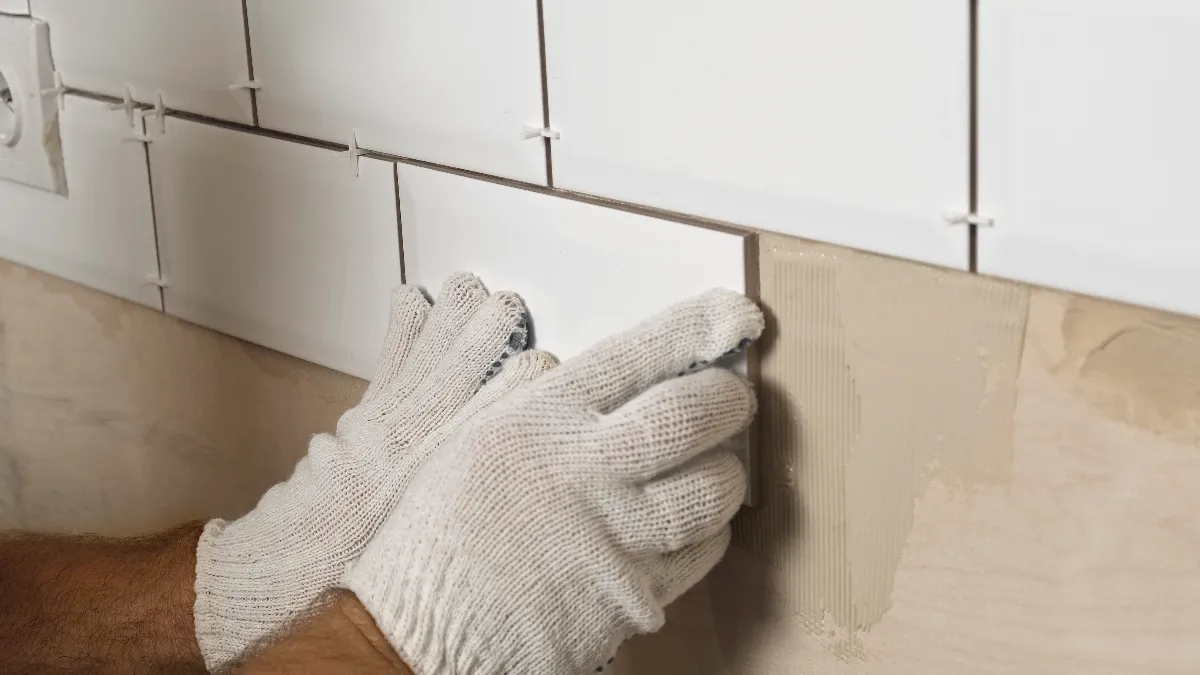
Cracked tiles, uneven grout, adhesive bleeding through the joints. Left unresolved, water works into the gaps and softens the substrate.
A cosmetic snag at handover becomes a bathroom strip-out eighteen months later. The timeline on this one is predictable and entirely avoidable.
Plumbing faults
Dripping taps and slow-draining basins are the obvious ones. The less obvious and more damaging are waste pipes fitted at the wrong angle, creating airlocks that cause gurgling and slow drainage that no amount of clearing actually fixes.
Plumbing snags tend to show up in the first weeks of occupancy. Better that they show up in a survey report than in a tenant’s first complaint.
Electrical issues

Sockets not sitting flush, light fittings that flicker intermittently and circuits tripping under normal household load. Every new build comes with an electrical installation certificate; cross-reference it.
Any deviation should be flagged formally, in writing, because verbal assurances from site managers carry no weight later.
Inadequate ventilation and extraction
This one has regulatory implications. Extractor fans must meet Part F of the Building Regulations. Bathroom vents that exhaust into the ceiling void, which happens more than it should, fail that standard. Poor extraction means condensation.
Condensation, in a London flat that’s rented out, means mould. Mould means unhappy tenants, potential council enforcement and a landlord who’s suddenly dealing with something that could have been caught on a survey.
Floor finish defects
Hollow sections under engineered timber, laminate lifting at the joins and boards that squeak under foot traffic. In a high-end development, these are reputationally awkward. In a rental property, they’re a logistical headache because fixing flooring in a tenanted flat means disruption and disruption sometimes means a rent reduction negotiation you didn’t budget for.
Communal areas and building fabric
If you’re in a block, your investment isn’t just your apartment. The lobby, the lifts, the bike store, the external envelope, all of it affects rental appeal, all of it affects service charge costs if defects are left to worsen.
Communal areas often receive less scrutiny at handover because individual owners aren’t responsible for flagging them. That’s precisely why they’re worth looking at carefully.
Heating and hot water systems
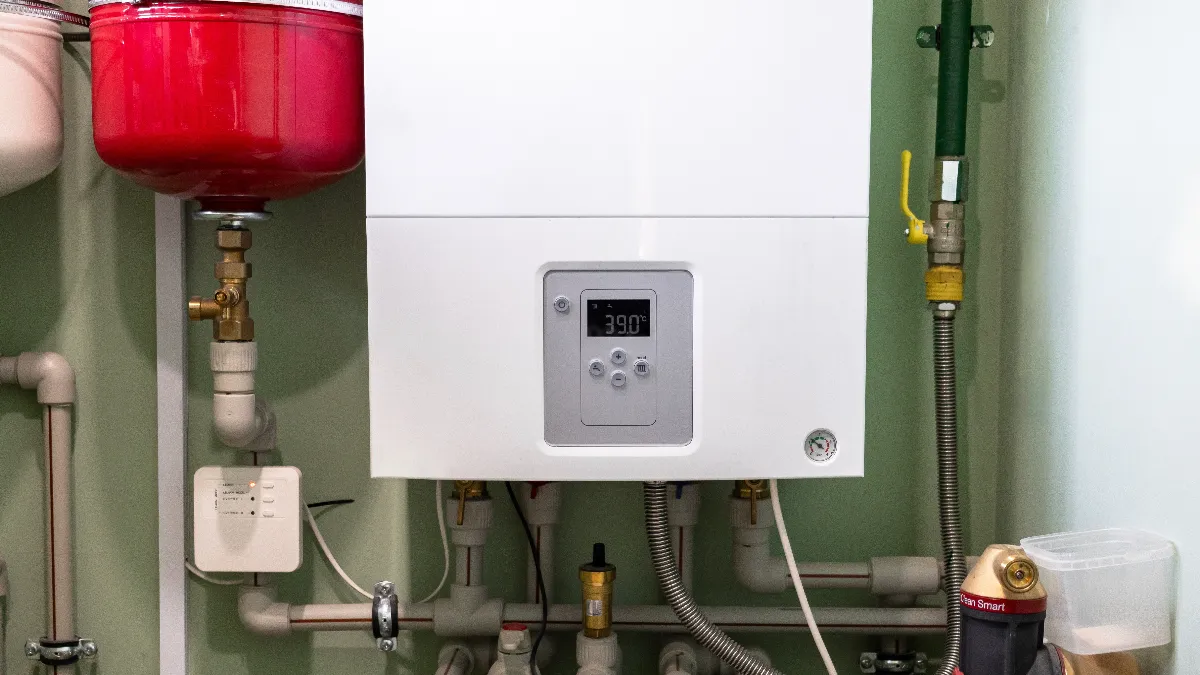
An uncommissioned boiler, a thermostat that doesn’t register zone calls, radiators with persistent airlocks, these produce emergency call-outs. Not in summer. In January, at 10 pm, when your tenant has no heating and you’re eight time zones away.
Test the system properly before keys are handed to a tenant. Every time.
Sealant and waterproofing
Sealant is usually one of the last jobs on site, which means it’s one of the most rushed. Around bath panels, shower trays, window reveals and kitchen worktops, a bad sealant application is an open invitation for water ingress.
It costs almost nothing to fix at handover. The remediation bill after twelve months of slow water penetration is a different conversation entirely.
The risk of the “absentee landlord”
Handovers happen quickly and this is why it’s important for buyers to highlight issues promptly. This means the buyers who push back, log defects and follow up persistently tend to get better outcomes than those who don’t.
When the buyer lives locally, that dynamic shifts in their favour. They show up. They send emails. The site team knows they’re paying attention. When the buyer is in Singapore, Kuala Lumpur or Hong Kong and the developer knows it, the handover process can feel quite different. Not because every developer acts in bad faith, but because the path of least resistance is clear.
The two-year window opens. Nobody’s watching the clock. Snags that should have been logged in week one drift into month six. By the time anyone flags them formally, the site team has moved on and the paper trail is thin.
This is the structural risk for overseas investors in London new builds and it’s why professional property management, done properly, is a form of asset protection rather than just a service.
The Benham and Reeves Singapore team operates as the direct link between our clients here and our London management operation. When a client completes a new build, we attend the handover. We arranged the snagging survey. We maintain the written record of outstanding defects and manage the developer correspondence through the full liability period.
By the time a tenant takes occupation, the property has been properly inspected and any outstanding items are already in a documented queue with the developer. The apartment is then rental-ready, presented and positioned to attract quality tenants quickly.
For landlords who won’t be in London at completion, which is almost all of our Singapore-based clients, that process isn’t supplementary. It’s what stands between a well-maintained asset and one that quietly accumulates unresolved defects for two years while the warranty window expires.
FAQs
When is the best time to conduct a snagging survey?
Before legal completion, if the developer allows it. Not all will, but it’s worth requesting that your negotiating position is strongest before the final payment clears. If access before completion isn’t granted, book the survey within the first week after you receive keys.
The site team is still on-site, contractors are still reachable and the developer’s motivation to resolve issues quickly is at its peak. Leave it two or three months and that window starts to close, practically if not legally.
Can I do my own snagging?
A professional snagging surveyor brings equipment (thermal imaging cameras, moisture meters and pressure gauges) that turns up problems that even a careful, experienced eye won’t catch. More importantly, they produce a documented, time-stamped report that carries weight with a developer’s legal and site teams in a way that a personal walkthrough simply doesn’t. That paper trail secures resolutions.
They also typically identify two to three times as many defects as a non-specialist. On an investment property, the cost of a professional survey is almost always recovered through warranty repairs alone, before you even account for avoided future maintenance.
Are developers legally required to fix snags?
Yes, during the 2-year builder liability period, under both the terms of a standard new build contract and the NHBC Buildmark warranty. The obligation is contractual, not discretionary. The practical requirement on your side: defects must be reported formally, in writing, with photographic evidence. A conversation with the site manager doesn’t constitute notice.
If a developer fails to respond within a reasonable timeframe, the escalation route runs through the NHBC resolution service and, for developers registered under the Building Safety Act 2022, the New Homes Ombudsman.
How much does a London snagging survey cost?
For a one or two-bedroom London apartment, the typical range is £400 to £600, depending on the surveyor and the size of the property. On a £600,000 flat, a fairly standard figure for Zone 2 or Zone 3, that’s less than 0.1% of the asset value. If the survey surfaces £5,000 worth of defects that the developer fixes under warranty, the arithmetic is straightforward.
Benham and Reeves Singapore coordinates this for our clients directly, working with independent surveyors across all the major London development zones and managing the process through to resolution.

About the Author
Benham & Reeves has been shaping London’s prime property market since 1958. In 1999, we launched one of the very first London‑focused estate agency offices in Singapore to cater to growing investor demand. We were among the first dedicated London‑focused branches outside the UK. Our dedicated Singapore office is in Raffles Hotel — from here, the experienced, multilingual agents work seamlessly to assist a discerning clientele with buying, selling and letting London properties. We further offer end-to-end support, sourcing, acquisition, lettings, furnishing and complete property management – all on Singapore time.View all posts by Benham and Reeves